

In-Womb Breakthrough: World-First Medical Trial Saves Identical Twins
In a historic development for prenatal medicine, two identical twin sisters have been saved by a groundbreaking medical procedure conducted before they were even born. The twin girls, named Nancy and Margo, became the beneficiaries of a highly advanced treatment administered directly inside their mother’s womb during the early stages of pregnancy. This pioneering intervention was carried out as part of a world-first clinical trial, marking a major milestone in fetal healthcare.
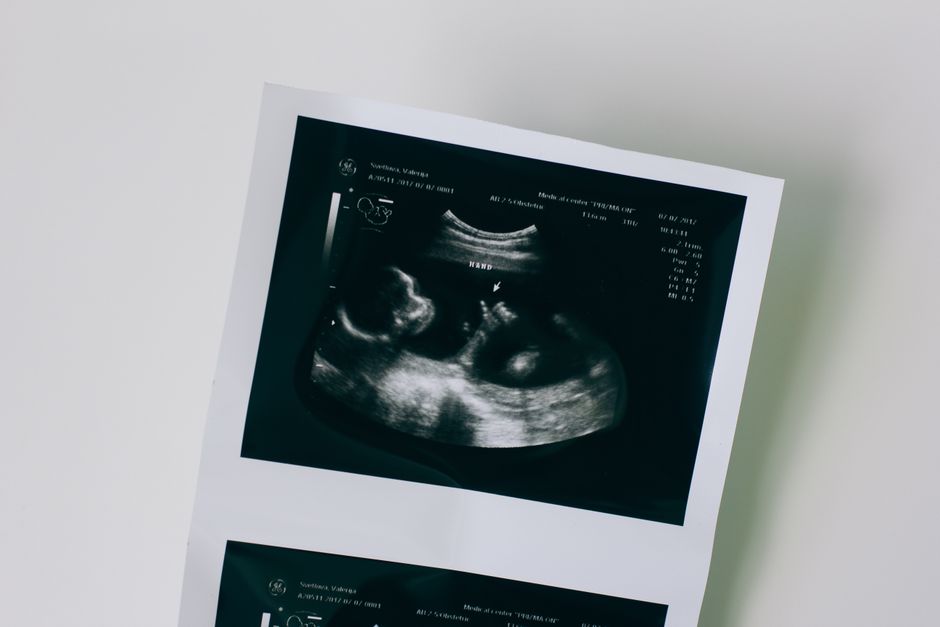
A Historic Medical Milestone
The successful treatment of Nancy and Margo represents a significant leap forward for reproductive medicine and prenatal surgery. While details of the specific medical condition remain part of the broader study, the fact that the procedure was performed during early pregnancy highlights the delicate and precise nature of the intervention. Performing medical operations on unborn children requires exceptional skill and highly specialized technology, making the success of this trial a momentous achievement for the medical community.

Identical twins sharing a womb often face unique biological circumstances during development. By intervening at such an early stage, doctors were able to apply the trial’s experimental techniques to protect the twins and ensure their survival. The successful outcome for Nancy and Margo provides crucial real-world evidence of the potential safety and effectiveness of this new class of in-utero procedures.

Advancing Care Through Clinical Trials
Clinical trials are essential for testing the boundaries of what is possible in modern medicine, particularly when it comes to safeguarding the lives of unborn babies. Because this trial was a world-first, the successful outcome for Nancy and Margo offers invaluable data for researchers studying early-stage pregnancy interventions. The courage of the family to participate in such pioneering research paves the way for standardizing treatments that were once thought impossible.
Prior to this trial, options for treating complex issues in early pregnancy were highly limited. The introduction of this successful womb-based procedure suggests that future parents may have access to viable, life-saving options much earlier in the gestational cycle than previously available.
What This Means
The success of this pioneering womb treatment for Nancy and Margo marks a potentially transformative moment for fetal medicine. By demonstrating that early-stage, in-utero procedures can be performed successfully within a clinical trial, this breakthrough opens up new possibilities for prenatal care. For families facing high-risk pregnancies, this milestone offers a powerful source of hope, suggesting that the next generation of medical science will be increasingly capable of protecting vulnerable babies before they draw their very first breath.