
Gaza Mourns Death of Beloved Aid Worker Who Brought World Cup to Displaced Families
Palestinians are grieving the loss of Mohammed al-Wahidi, a well-known humanitarian worker who was killed in an Israeli military strike in Gaza. Al-Wahidi had gained widespread recognition across the region for his efforts to bring moments of relief to residents, most notably by organizing public viewings of World Cup soccer matches during times of intense hardship.

A Beacon of Hope in Gaza
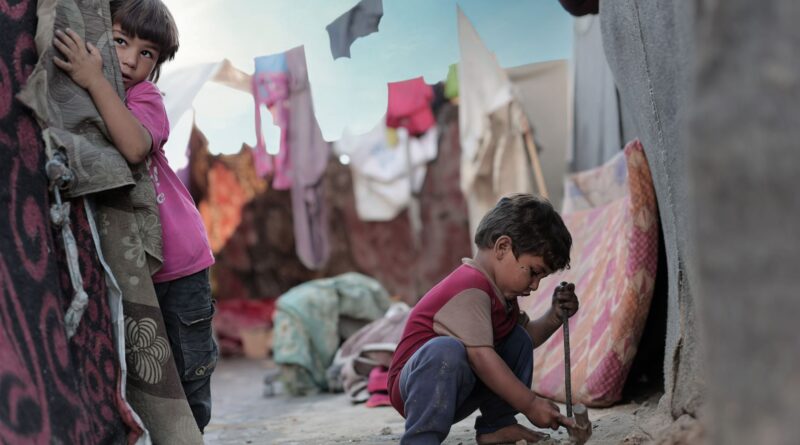
During the ongoing Israel-Hamas conflict, al-Wahidi emerged as a vital figure in local humanitarian efforts. His work extended beyond basic survival assistance to address the psychological toll of the war on the local population. By setting up community screenings for major sporting events like the World Cup, he provided displaced families and children with a rare opportunity to gather, find comfort, and experience a temporary sense of normalcy amidst the surrounding devastation. These gatherings became crucial for community morale, establishing al-Wahidi as a beloved figure in the eyes of many Palestinians.
Tragic Loss of a Key Humanitarian Figure
The news of his death in an Israeli strike has sent shockwaves through Gaza, where he is being deeply mourned. Fellow aid workers and community members have expressed profound sadness over the loss of a man who dedicated his life to serving others under the most challenging conditions. His death highlights the severe dangers faced by humanitarian personnel working in the Gaza Strip during the ongoing hostilities, as they risk their lives to deliver support and comfort to those affected by the violence.

What this means
The loss of Mohammed al-Wahidi underscores the immense peril surrounding humanitarian operations in Gaza during the Israel-Hamas war. It highlights how the conflict claims the lives not only of civilians but also of those dedicated to bringing relief and solidarity to a suffering population. Al-Wahidi passing leaves a significant void in local aid efforts, reminding the global community of the challenges faced by humanitarian workers in active conflict zones.